



-
Collabaration
The software is more cooperative and responds quickly and added many more benefits as per customer requirement.
-
Mobilty
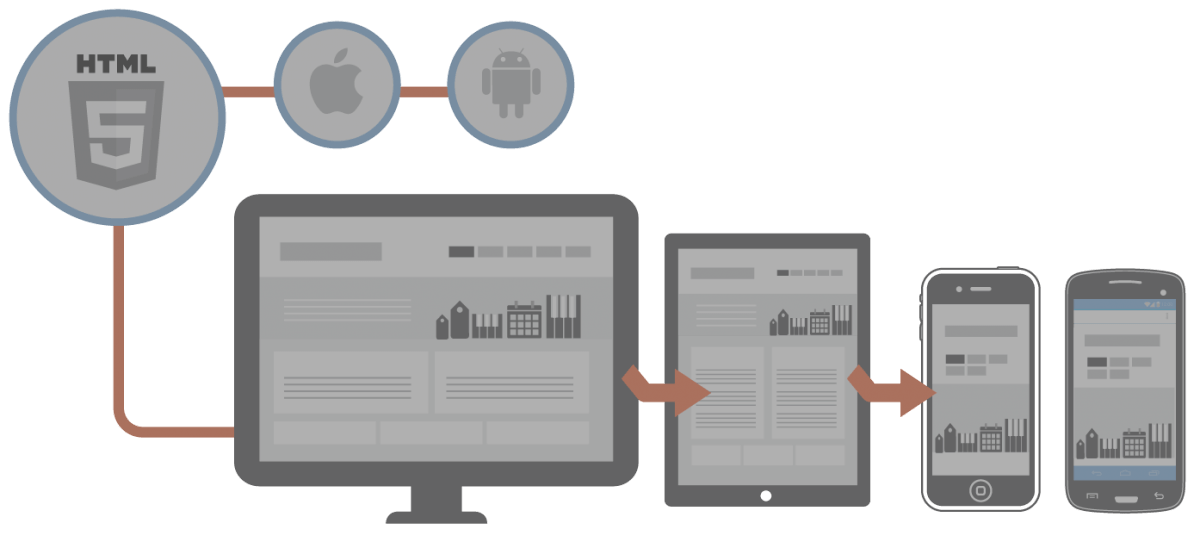
Krisol ERP software is not left behind this technology, it is mobilised and socialised. The client has competitive advantage in the hands of their workforce on any device, at anytime from anywhere.
-
Simplicity
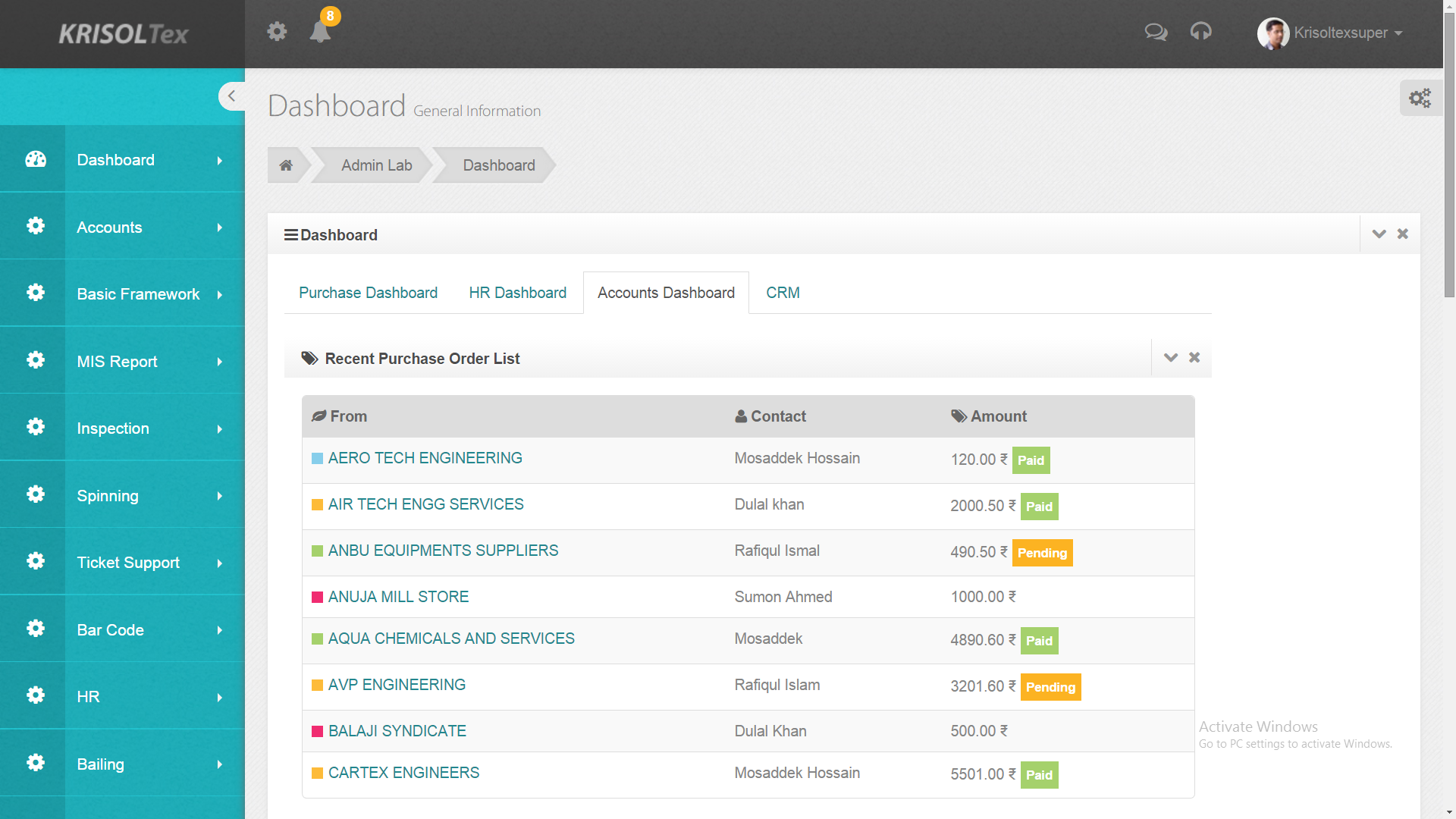
Krisol ERP software contains extraordinary functionalities and technology, which eliminates complication whereas the user finds easier to use
-
Responsive
As need and the business requirement changes the customer expects the software to respond instantly not only speed but to cope up with larger volumes transactions and data storage
-
Choice
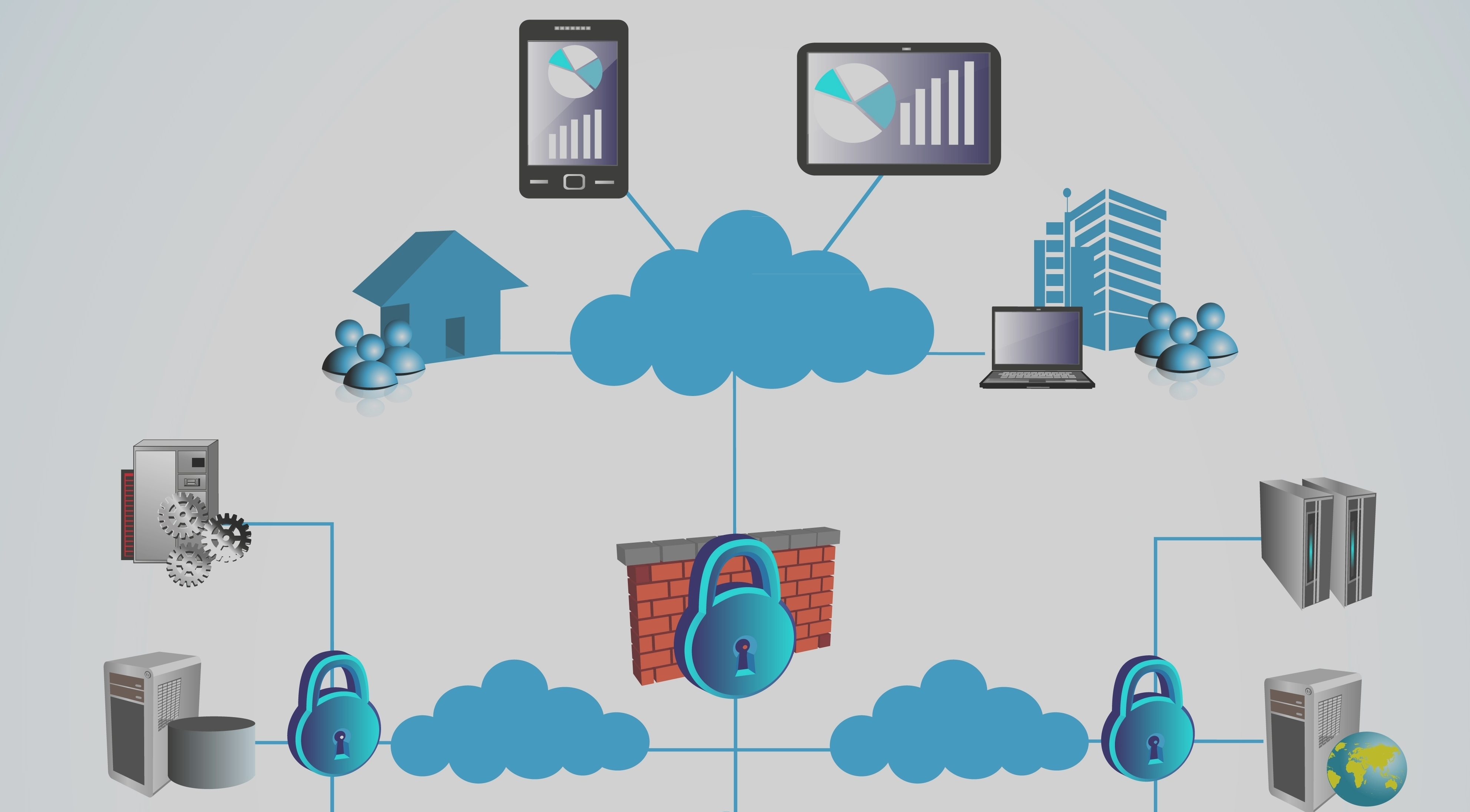
Krisol ERP software provides opportunity to their clients to select the deployment choice whether to run on premise, or to host or to deploy in the cloud.
Krisol Products
Complete services business software for project-based businesses.